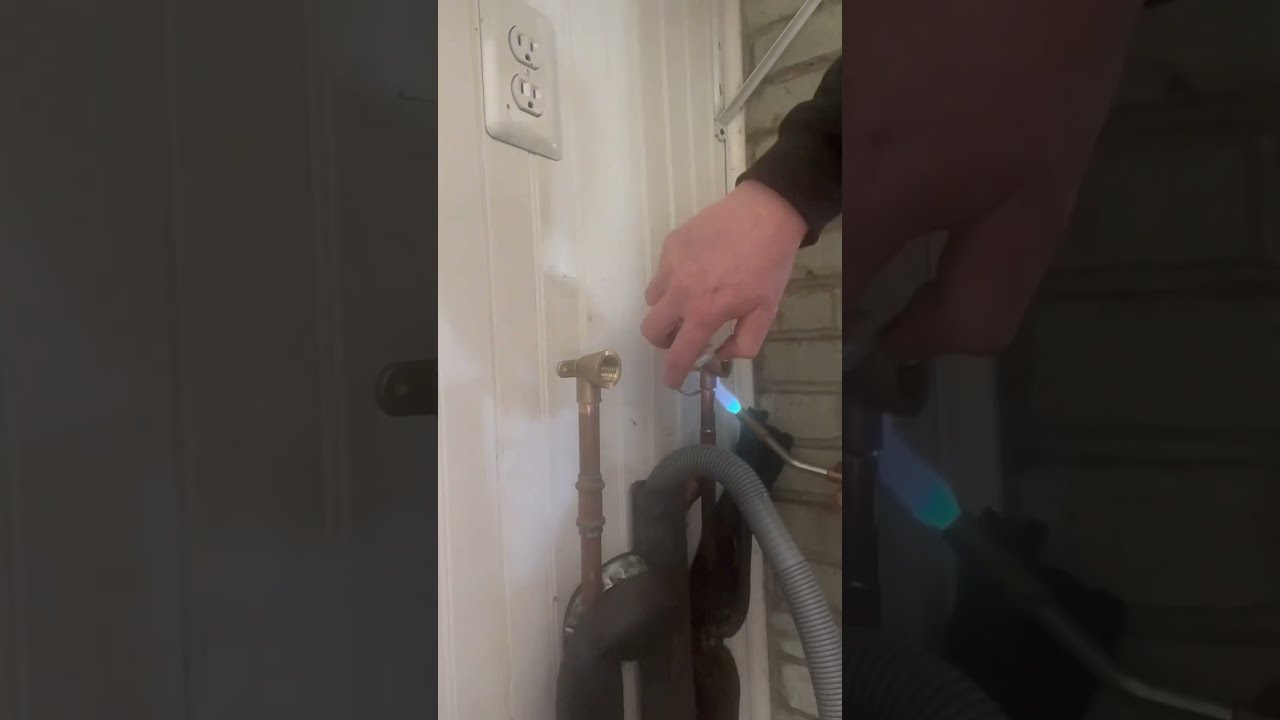
In time, a leaky pipe could cause serious damage to your house. It could lead to an increase in water loss, undesirable organic growth, structural problems and many more. The majority of plumbing leaks can be easily fixed. Learn about the five most common plumbing leaks that could occur in your home. Be aware that a pound of prevention can save you one pound of cure costs! 1. Faucet Leaks Leaking faucets could cause water damage to your home and cause mildew and mold development. The water that drips from faucets is wasted which could lead to increased water costs. It is sometimes difficult to identify water leaks. They can occur in rooms where plumbing pipes and components are hidden behind walls or under floors. Also, certain kinds of leaks require expert repairs due to issues like seals that have worn out. The most common sign of a faucet leak is water spots on ceilings and walls. They could be the result of various problems, from a damaged or worn O-ring to a broken or loose faucet handle or cartridge. Leaks in faucets can damage the drywall and cause mold to develop. Resolving leaky faucets quickly is the most effective way to avoid expensive water damage. 2. Pipe Leaks The pipes that bring water to your home can be prone to leaks due to a variety of reasons. As an example, pipes could become loose due to shifting in the foundation of your home. The pipes may also become corroded over time. Ultimately, it's It is essential to conduct regular inspections and maintenance in order to stop leaks from your home. Leaking pipes cause many issues, like flooding, mold and poor water quality, as well as stained walls or ceilings. It's good to know that, if you find an issue before it's too late it's typically easy to repair. A plumber can check your pipes for any loose seals. They will also be able to tell you if your pipes are damaged by tree roots. If so the plumber will be able to replace your pipes using durable plastic or copper ones. You will be able to save money by preventing future leaks. 3. Sewer Line Leaks A leak in the sewage system is a major plumbing problem that not only wastes water and money, but could be a risk to your family's health hazards. A leaky sewer line could cause more harm to your home the longer it goes unnoticed. It could result in damp basements and ceilings that are rotting, walls and ceilings with mold, hefty water bills, sliding floors and ceilings, and even structural damage to your foundation. Strange noises, blocked drains, and water backing upwards first from the lower drains of your home are all signs that there is a leak in your sewer line. In the absence of a leak, it could result in the sewage flowing into your house and leach into the groundwater. It can cause stomach cramps and dehydration, developmental issues, and even death https://plumber.melbourne/ if it is allowed to contaminate the water. Like all pipes, sewer lines can be susceptible to leaks caused by corrosion, age, ground shifting, or poor installation. Regular inspection and maintenance can aid in preventing leaks from pipes. If you notice any indications of a sewage leak, call your plumber right away. 4. Water Heater Leaks A plumber in Canberra can advise you that water heater leaks can cause major harm if not taken care of. Leaks from the water heater could come from the base or the supply lines that connect to the unit. Make sure you check for leaks on regular basis and remove any needed insulation from the water supply lines. A leaking water heater can result in the waste of 10,000 gallons of water each year, which makes it one of the most commonly encountered kinds of plumbing leaks home and business owners experience. Professional plumbers can fix the issue quickly and efficiently without causing any disruption or expense. The most effective method to avoid costly repairs is by preventing plumbing leaks. To prevent this from happening homeowners should perform periodic visual inspections and search for any indications of water damage that could suggest the existence of a leaky pipe fixture. It is possible to do this by inspecting the surrounding areas of faucets, toilets, or appliances. It is also possible to do this by examining access panels to fixtures and appliances.